Patient safety remains the paramount concern for healthcare facilities worldwide, yet the persistent challenge of nosocomial infections continues to complicate clinical outcomes. These infections, also known as healthcare-associated infections (HAIs), are conditions that patients acquire while receiving treatment for other medical issues within a hospital or clinical setting. Understanding the mechanisms of transmission and implementing rigorous sterilization protocols are essential steps for any facility aiming to provide high-quality care. At MUDS LLC, the focus is on providing the necessary tools and insights to maintain a sterile environment, ensuring that both patients and providers remain protected from preventable pathogens.
The Impact of Hospital-Acquired Pathogens
Nosocomial infections often arise from various sources, including contaminated medical equipment, improper hand hygiene, or the environmental spread of multidrug-resistant organisms. Common types include catheter-associated urinary tract infections, surgical site infections, and ventilator-associated pneumonia. Beyond the immediate physical toll on the patient, these infections place a significant financial burden on the healthcare system by extending hospital stays and requiring intensive pharmacological interventions. By prioritizing environmental hygiene, facilities can drastically reduce the colonization of surfaces by harmful bacteria and viruses.
Implementing Evidence-Based Prevention Protocols
To combat these risks, healthcare administrators must adopt a multi-faceted approach. This starts with strict adherence to hand hygiene compliance, which remains the single most effective way to prevent the cross-contamination of patients. Additionally, the use of advanced personal protective equipment (PPE) and the implementation of antimicrobial stewardship programs help limit the emergence of resistant strains.
Technological advancements have also introduced new methods for terminal cleaning. Ultraviolet (UV-C) light disinfection and automated hydrogen peroxide vapor systems are now frequently used to supplement manual cleaning processes. These technologies ensure that even hard-to-reach surfaces are free from microbial life, creating a safer ecosystem for vulnerable populations.
The Role of Specialized Equipment Maintenance
The maintenance and sterilization of medical instruments are equally critical. Using high-level disinfectants and ensuring that all reusable devices undergo validated sterilization cycles prevents the direct introduction of pathogens into a patient’s bloodstream or internal tissues. Staff education and continuous monitoring of infection rates allow for real-time adjustments to safety protocols.
Maintaining a sterile field is not just a regulatory requirement; it is a moral obligation to those seeking healing. By integrating high-quality supplies and rigorous cleaning standards, providers can effectively mitigate the dangers posed by . Consistent vigilance and the right partnerships are key to fostering a culture of safety and excellence in every medical department.
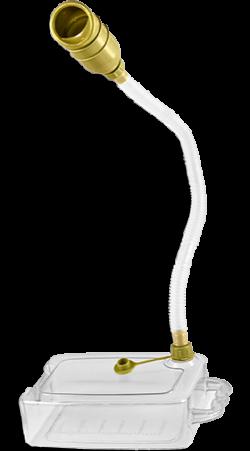
 As some men get older, it is not at all unusual for them to start experiencing some problems with urination. In many cases, men find it difficult to urinate even after experiencing a lot of urgency beforehand. Being able to urinate and actually empty the bladder all of the way is something else that can really be a struggle for them. So that men are able to work with these issues, they sometimes have to be a bit creative.