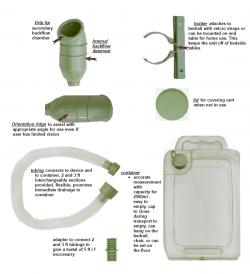
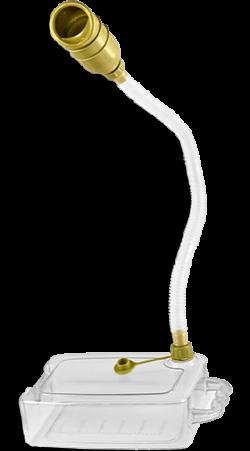
A spill proof urinal bag can be an important part of a practical personal-care plan when access to a restroom is limited or when mobility makes bathroom trips difficult. MUDS LLC identifies its product as a Male Urinary Drainage System, so it is important to follow the product instructions and seek guidance from an appropriate healthcare professional when choosing or using any urinary-management product.
Start with the Intended Situation
Think about where the product will be used most often. Some people may need a solution for travel, bedside use, recovery periods, or situations where moving quickly to a restroom is difficult. Consider privacy, available storage, access to hand hygiene, and the ability to dispose of used supplies properly. Planning these details before the product is needed can make the routine feel more orderly and reduce stress in the moment.
Read Instructions Before First Use
Review the complete packaging and manufacturer guidance before using any drainage or collection product. Pay attention to preparation, positioning, capacity, sealing, storage, and disposal directions. Do not assume that a product with a familiar name works in the same way as another item you have used before. If any instruction is unclear, contact the manufacturer or ask a healthcare professional for help rather than improvising.
Keep a Clean, Organized Setup
Prepare a clean area with the supplies you need close at hand. This may include hand-cleaning materials, a disposal option, and replacement items if appropriate. Keep the product in a place where it will not be crushed, punctured, or exposed to unsuitable temperatures. After use, follow the stated cleaning or disposal directions carefully. Regularly check stored supplies for damage and replace them according to the manufacturer’s recommendations.
Know When to Seek Medical Advice
Urinary symptoms can sometimes require prompt medical evaluation. Contact a healthcare professional if there is pain, fever, blood in urine, unusual odor, new confusion, inability to urinate, leakage that cannot be managed, or any concern about infection or injury. A product can support a care routine, but it does not diagnose or treat an underlying health issue.
Build a Plan That Supports Dignity
Personal-care tools work best when they are integrated into a routine that respects comfort, privacy, and individual needs. Discuss preferences with the user, caregiver, or clinician when appropriate. Keep backup supplies available for longer outings, and make sure everyone involved understands the basic handling and disposal process.
When used according to its instructions and as part of an informed care plan, a spill proof urinal bag can help make certain daily situations more manageable.